


EXPERIMENTS
There’s a variety of experiments that astronauts perform teetering into practically every area of modern science. We took inspiration from these experiments and have separated them into categories. Simplifying them for teachers and children to perform at school or home. Each of the scientific kits listed are optimized for cost efficiency and educational potential in a way that students can always ask more questions to delve deeper into learning.
KIT


01
ABOUT
What is it?
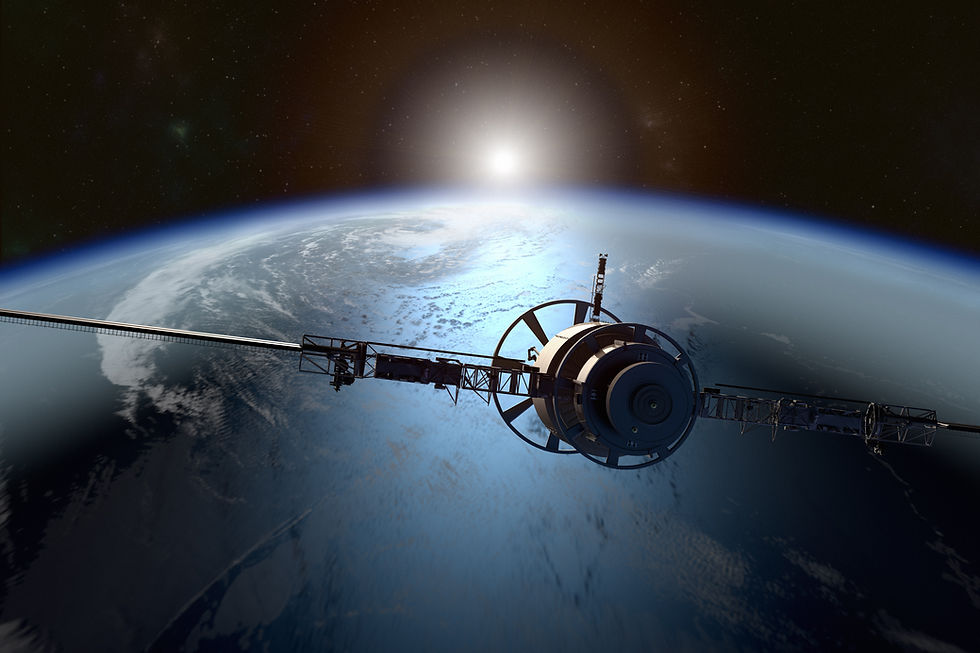
INSPO Kit is a cost-effective, flexible science kit that mimics research activities performed on the International space station to inspire and educate youth, with efficient manufacturing techniques to utilize spending in countries impacted most by lack of STEM related funding. The potential of the kit comes from its flexibility, there’s hundreds of experiments already developed for the ISS but this number is constantly growing with new technological advancements allowing for a potentially limitless expansion of educational value.
02
IMPACT
Prioritize the youth.
The majority of youths in this world live in deprivation, it’s a widely known fact human rights advocates fight for but yet, classism and inefficient government funding have kept this generational wealth of knowledge away from nations desperately in need of modern forms of education; Children in communities that lack material and social funding experience the greatest inequalities.
Our intention is to tell youth that these experiments are related to some of the exact activities astronauts flying above them are performing. These science experiments will not only educate youth bottom-up about basic levels of scientific testing but inspire them with realistic, hands-on approaches rarely encountered in early levels of education. Neuroplasticity in youth is a widely proven topic, effectively educating children in their younger years with allowance for gifted individuals to excel past their peers must be encouraged in modern education. Our solution will provide experiments that continually spark questions in addition to testing guidance supported by the wealth of data from space agencies around the world. Providing an inclusive and equal opportunity to STEM education for children across the globe. Without a great reform in cost for laboratory equipment, education and quality of life for these undeveloped countries, the world is sitting on the greatest waste of human potential from this socio-economic divide. We intend to change this, the INSPO kit has the potential to unify millions of people from different socio-economic backgrounds, encourage more engaging instruction in school curriculums and create opportunities for high-level thinking and problem solving for new generations.
Directing resources to our most impressionable, malleable generations is a crucial step to human advancements. Every child wants to become an astronaut, a common statement proven by questionnaires directed to children around the world, but those dreams quickly vanish when faced with educational limitations. The almost impossible race to become an astronaut is a statistical adventure known to the whole world. If these barriers of education are lessened, the availability of these gifted, talented individuals will eclipse the current rate of technological discovery. Reducing the barrier of entry for education is pivotal to the capacity of youth in STEM, without a great reform in cost for laboratory equipment, education and quality of life for these undeveloped countries, the world is sitting on the greatest waste of human potential from this socio-economic divide. We intend to change this.

03
CHALLENGES
Improvise. Adapt. Overcome.
The most striking aspect of fallout from exorbitant wealth distribution is that statistically, it’s widely known but rarely acted upon. Technology and manufacturing feasibility in our privileged society can be utilized to dramatically impact the unprivileged. This untapped potential deprives the world of innovation and technological discovery. Failing to utilize our current innovative techniques of manufacturing precise, cost efficient STEM related laboratory equipment is unjust to communities where the same tools are unattainable.
Removing overhead to government donations and funding will vastly increase impact of capital to these developing nations. Before governments allocate extra funds, reforms need to be made to minimize manufacturing cost of laboratory equipment to educate youth. The only comparable solutions to take-home science kits that relate to space education are for profit. In an industry where cost reduction is crucial to reaching a worldwide demographic, costs need to be minimal. We plan to produce these kits in a non-profit, completely open-source scenario where any proceeds do not exceed the cost of production and information required for experimentation is accessible to all.
Our solution to these unjust inequalities lay parallel with the demand for equal education in these communities, operate within global availability and will economically prosper through minimal production costs and unlimited demand from the globally unprivileged youth.